
How Zakat for Poor Family Bangladesh Transformed Shimla’s Life in Kushtia
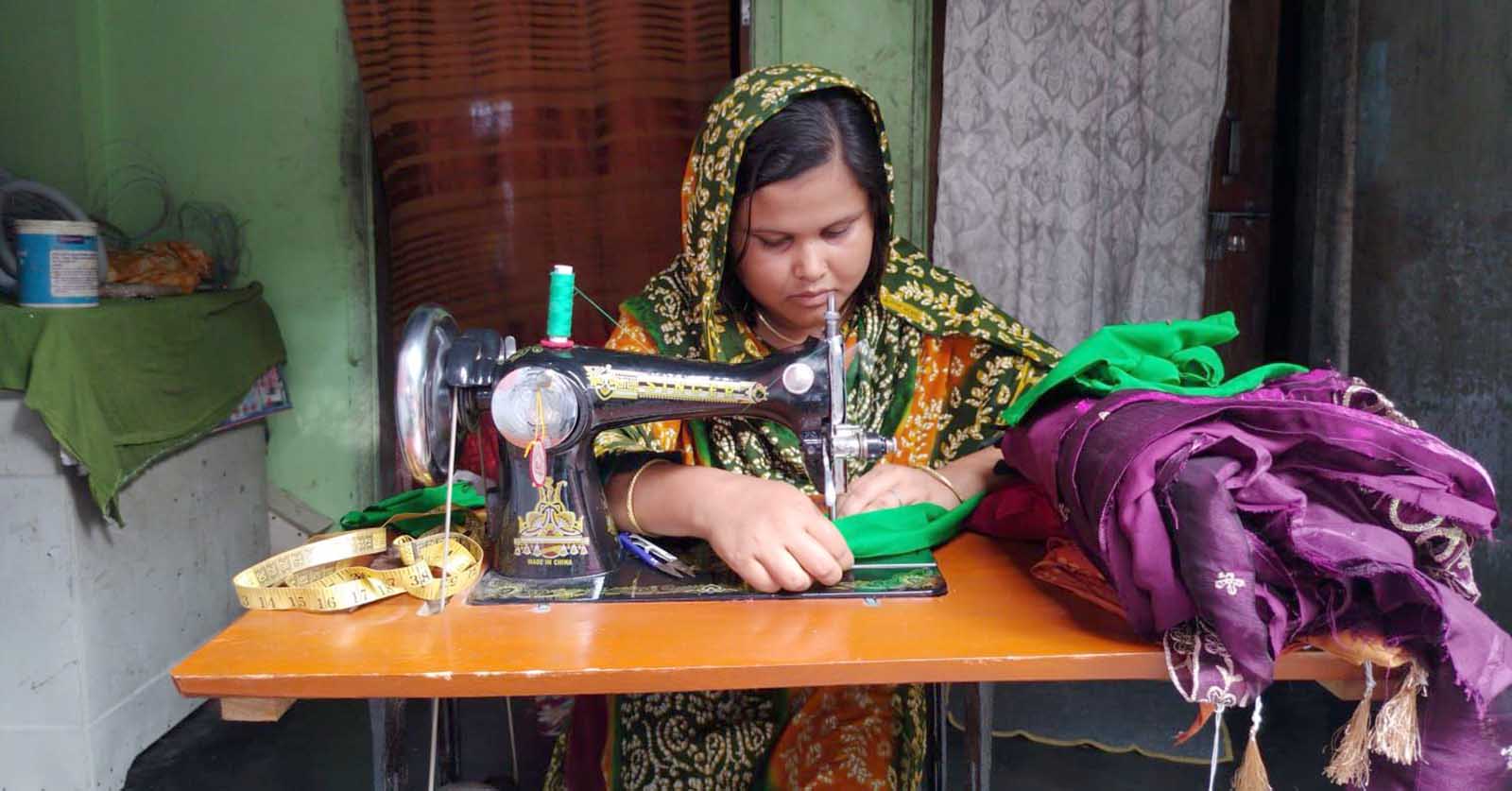
Directing zakat for poor family Bangladesh creates a direct pathway to end extreme poverty. It restores dignity to vulnerable families across the country. In Kushtia, eighteen-year-old Shimla Khatun faced continuous financial distress. She lives in a makeshift home along the old river embankment of Char Thanapara.
Shimla became a victim of child marriage when she was only fourteen years old. Consequently, her formal schooling ended overnight. Soon, she had to care for an infant daughter under harsh economic constraints.
Her husband, Sohag, works as an apprentice electrician. However, his daily earnings are unpredictable and meager. Therefore, buying basic meals and baby food remained a daily challenge for their small household.
The Daily Burden of Equipment Rental
To support her family, Shimla learned tailoring skills from a local artisan. She quickly learned cutting and sewing garments. Yet, she could not buy a sewing machine due to a lack of savings.
Finding no alternative, Shimla started renting a machine from a neighbor. The rent was 20 BDT per day. She worked tirelessly from early morning until sunset to finish customer orders.
Unfortunately, the rental cost drained most of her daily income. In addition, the owner often demanded the machine back without notice. As a result, Shimla struggled constantly to buy food and essential medicines for her child.
FAIR Zakat Intervention: An Asset for Independence
Shimla’s persistent hard work caught the attention of field workers from FAIR (Friends Association for Integrated Revolution). The rights-based non-profit evaluated her household conditions in Kushtia. Soon after, FAIR selected her for their sustainable livelihood initiative.
In May 2026, FAIR provided Shimla with a brand-new sewing machine through the zakat fund for livelihood bangladesh. This productive equipment replaced her daily rental expenses instantly.
This initiative highlights the real value of structured zakat fund donation bangladesh. Instead of offering temporary cash relief, gifting productive equipment helps poor families build steady, long-term income.
Quadrupling Daily Income: Securing Child Health and Nutrition
Owning a sewing machine completely transformed Shimla’s daily work routine. She no longer worried about daily rental deductions or machine return deadlines. Therefore, she took on more orders for dresses, repairs, and intricate needlework across Char Thanapara.
Within a few weeks, her daily earnings increased to 200 to 300 BDT. Her steady monthly income now ranges between 6,000 and 9,000 BDT.
This income brought instant financial relief to her home. Shimla no longer relies solely on her husband’s irregular wages. Instead, she independently covers her daughter’s healthcare, nutritious meals, clothing, and household needs.
Shimla expressed her gratitude during a field visit:
“Renting a machine for 20 taka every day left me empty-handed by nightfall. I spent many nights crying because I could not afford milk or medicine for my child. Receiving this sewing machine through FAIR changed our entire reality. Today, I am nobody’s burden. I earn my own living, buy food for my daughter, and support my home. I will always remain grateful to FAIR for this life-changing support.”
Driving Grassroots Gender Equity and Sustainable Progress
Shimla’s experience presents an inspiring example of real-life women empowerment. By transforming basic tailoring skills into regular income, young mothers can break free from rural poverty. Furthermore, when mothers earn directly, they invest first in their children’s nutrition and education.
Long-term progress requires wider public and institutional backing for women empowerment in bangladesh. Distributing productive tools helps vulnerable women run small enterprises on their own terms. FAIR continues to prove that genuine womens empowerment begins when women own their tools of production. Delivering targeted zakat for poor family Bangladesh remains an effective way to eliminate extreme vulnerability. Today, Shimla is no longer an isolated victim of early marriage. Instead, she is an independent tailor, a proud mother, and an active contributor to her community.