School Science Club Activity Survey in Bangladesh: FAIR’s New Strategic Plan
Kushtia | Event Report
Students often struggle with science phobia in secondary schools. To solve this problem, FAIR has conducted a comprehensive school science club activity survey in Bangladesh. This initiative is running under the PSE-SSC project. Moreover, Bangladesh Freedom Foundation (BFF) provides overall support for this initiative. Throughout July 2026, project teams surveyed 35 institutions in Kushtia Sadar. These included 33 secondary schools and 2 madrasas.
Previously, BFF and FAIR successfully implemented science promotion programs from 2019 to 2025. Building on that experience, FAIR launched a renewed 2026–2029 framework. Consequently, this initiative strengthens the broader Science Education Movement in Bangladesh through a self-sustaining model.
Quick Summary:
The school science club activity survey in Bangladesh conducted by FAIR assessed 35 secondary institutions in Kushtia Sadar. The findings reveal that 71.4% of institutions have science labs. However, 37.1% of clubs remain inactive. In addition, zero institutions maintain dedicated bank accounts for their clubs. Therefore, FAIR has introduced a sustainable model to strengthen STEM learning through routine club periods and community funding.
Baseline Survey Findings: Current STEM Landscape
The baseline science education survey bangladesh covered 18,548 students and 556 teachers. Specifically, it documented laboratory facilities, enrollment ratios, and institutional resources:
- Demographics and Streams: The survey assessed 20 co-educational, 11 girls’, 3 boys’, and 1 collegiate school. However, among 6,855 secondary students, only 1,989 students (29%) study science. In contrast, humanities accounts for 57% and business studies represents 14%.
- Teaching Staff and Laboratories: Currently, 83 science teachers and 44 math teachers are active across these schools. In addition, 25 institutions (71.4%) possess functional science labs with 9,038 pieces of equipment. However, heavy theoretical workloads limit students to only 1–2 lab sessions per week.
- Libraries and ICT Facilities: The school science survey bangladesh found 31 school libraries with 23,667 science books. Furthermore, 26 institutions maintain computer labs with 460 working PCs.
- Club Operations and Funds: Existing school science club activities are active in 22 institutions (62.9%). In contrast, 13 clubs (37.1%) remain inactive. Most importantly, zero institutions (0%) maintain a dedicated bank account or reserve fund for science clubs.
July 2026 Field Consultations Across Kushtia
Alongside the survey, project teams held bilateral review meetings with headmasters and teachers:
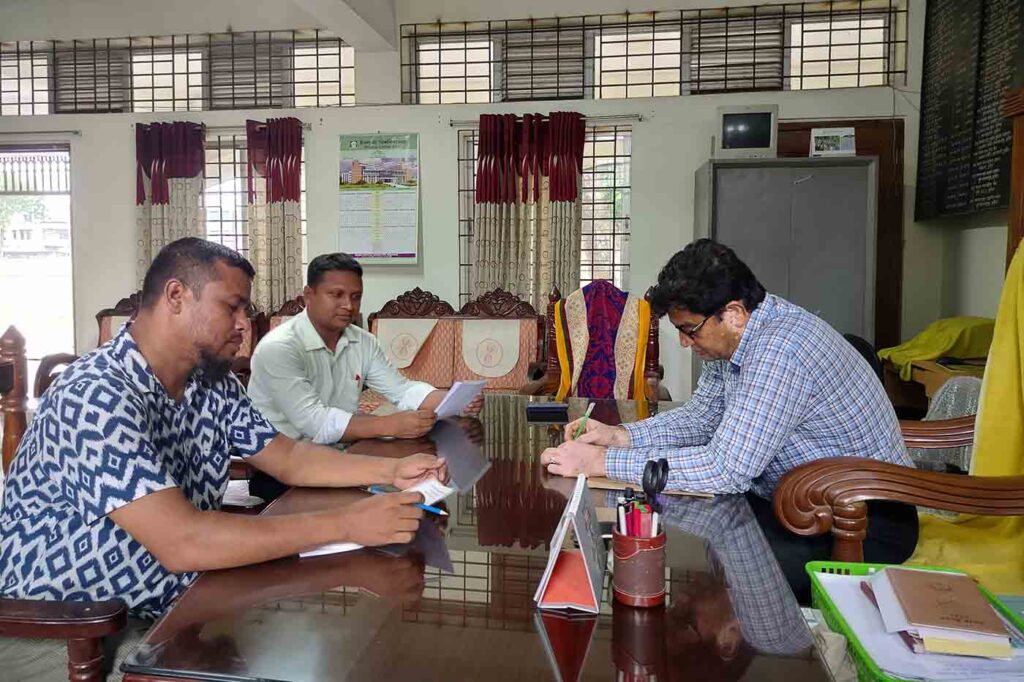
- Initial Assessment (July 6, 2026): Field teams started baseline data collection across selected schools in Kushtia Sadar.
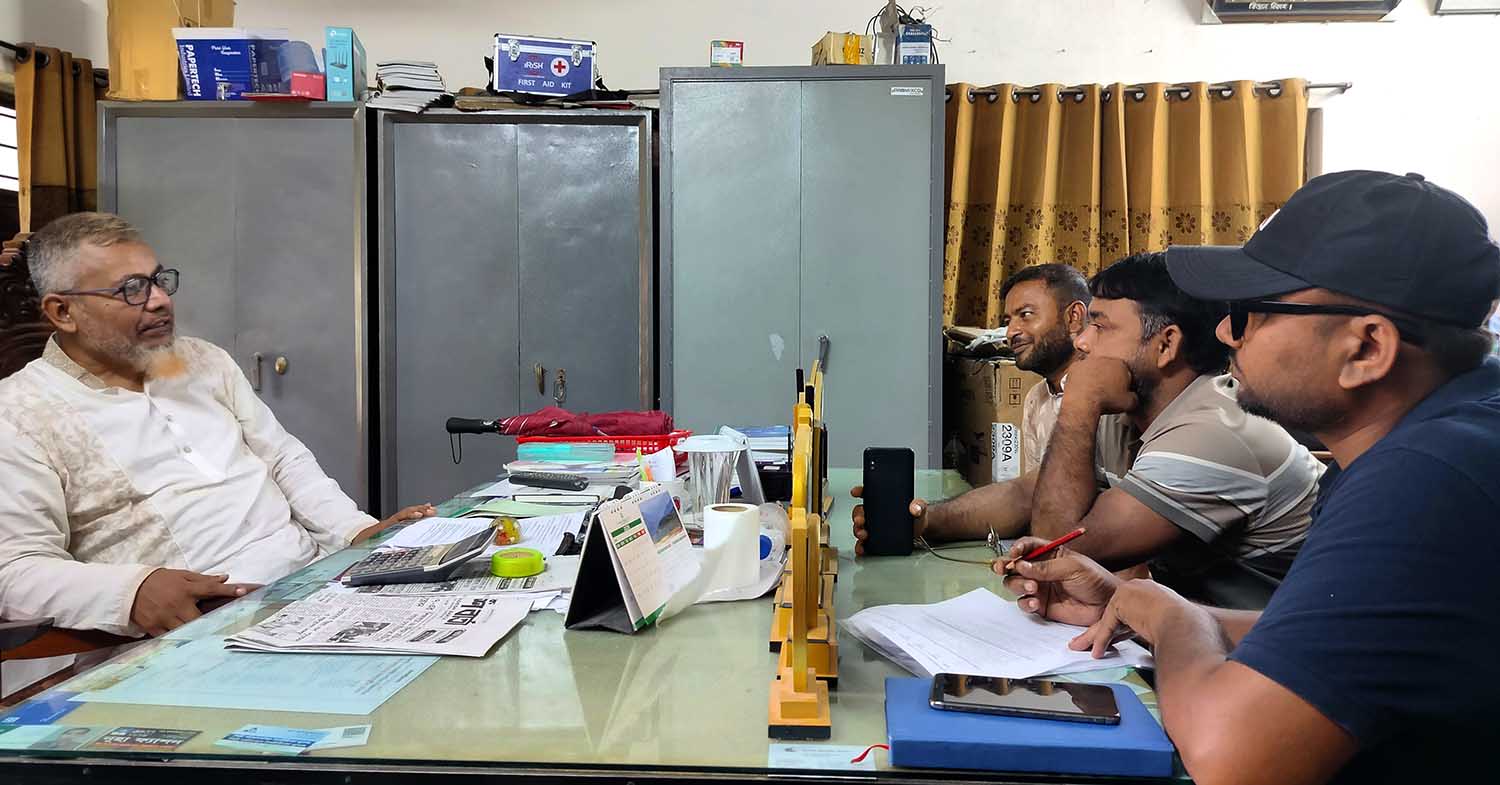
- Cluster Reviews (July 7–8, 2026): Teams visited rural and urban institutions, including Alampur Baliapara School and College, Alampur Girls’ High School, Dahakula Mohammad Shahi High School, The Old Kushtia High School, Shahid Hassan Foyez Girls’ High School, Housing Estate Girls’ High School, Mir Mosharraf Hossain Secondary School, Ujangram Secondary School, Jhaudia Bazar High School, and Ranjitpur Secondary School.
- Operational Planning (July 15, 2026): Consultations at Kolkakoli Secondary School focused on club management and internal science fairs.
- Lab Utilization Sessions (July 19, 2026): Discussions at Harinarayanpur Girls’ High School and Harinarayanpur Multilateral High School prioritized practical experiments.
- Reactivation Drives (July 20, 2026): Institutional meetings helped resume STEM club activities at Ganga-Kapotakkho (G.K.) Secondary School after a long pause.
Strategic Recommendations from Educators
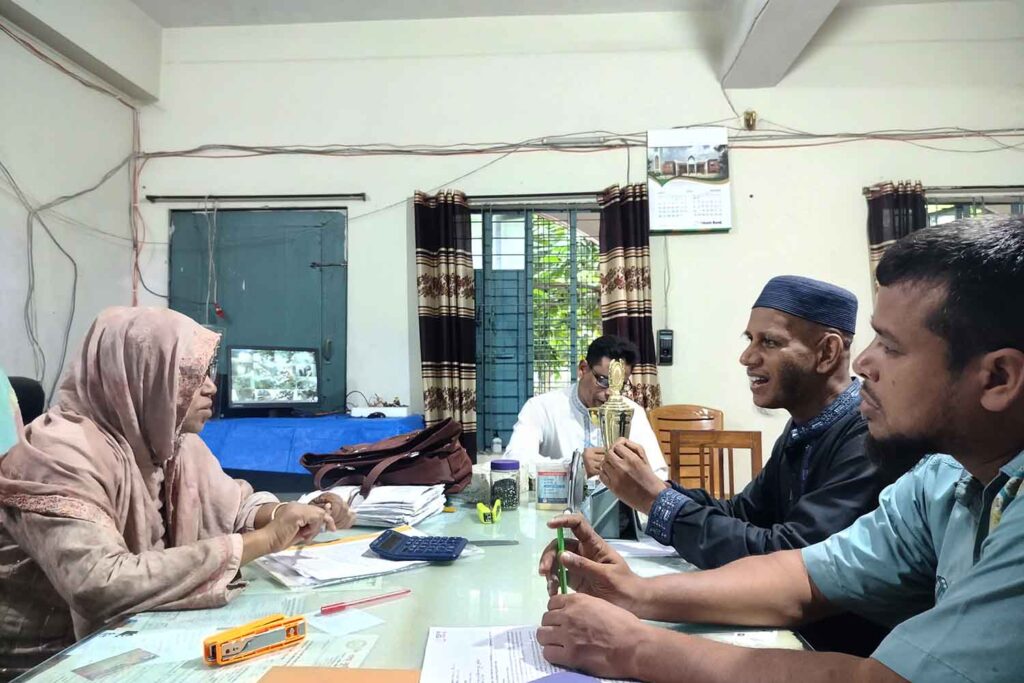
During the science education discussion bangladesh, headmasters and senior teachers shared valuable insights:
- Collective Teacher Engagement: All teachers should support science clubs, not just science teachers.
- Routine Monitoring: Regular inter-school visits will motivate students and improve club performance.
- Practical Experiment Schedules: Schools must align theoretical lessons with weekly lab experiments.
- Alumni Linkages: Engaging alumni networks will help clubs secure mentoring and financial backing.
Key Resolutions and Policy Outcomes
Based on the science club activity survey in kushtia, participating schools adopted four binding decisions:
- Institutional Partnership: 30 institutions submitted written consent to execute the sustainability framework.
- Specialized STEM Clubs: Schools will organize annual meetings by September 2026 to form separate Science, Math, Physics, and Debate clubs.
- Independent Bank Accounts: Each club will operate an independent bank account for financial transparency.
- Routine Class Allocation: Schools will include at least one weekly co-curricular period for regular science club activities bangladesh.
Technical Oversight and Next Steps
FAIR Project Coordinator K. M. Harisul Alam led the field implementation alongside Project Officers Koushik Ahmed and Robin Islam. In addition, FAIR Director Dewan Akhtaruzzaman provided overall supervision and strategic direction.
As a result, this baseline school science club activity survey in Bangladesh establishes a sustainable roadmap for secondary science education bangladesh.
Frequently Asked Questions (FAQ)
What is the goal of the school science club activity survey in Bangladesh?
The survey identifies laboratory resource gaps and institutional challenges to build sustainable school science clubs.
What did the stem education survey bangladesh reveal about student enrollment?
The survey revealed that only 29% of secondary students choose the science stream, while 57% enroll in humanities.
How does the PSE-SSC project ensure financial sustainability for science clubs?
The project introduces dedicated club bank accounts, community contributions, and active alumni support.
Partner With FAIR to Advance STEM Education
FAIR actively collaborates with development partners, education authorities, and donors to empower young innovators.
👉 Support Grassroots STEM Initiatives:
Visit fair-bd.org or email [email protected] to sponsor laboratory equipment, mentor science clubs, or expand this model to other regions.